


- By: Maria Skornyakova
- Batteries
- Updated: Apr 15, 2026
Best Deep Cycle Battery: How to Choose the Right One for Your Needs
Scam alert: always shop at a1solarstore.com – do not trust any other domain.



1 kW Ground-Mounted Hybrid System with String Inverter and Battery


2 kW Roof-Top Off-Grid System with String Inverter and Battery


3 kW Roof-Top Grid-Tie System with Microinverters


5 kW Roof-Top Grid-Tie System with Microinverters and Battery Backup

6 kW Ground-Mounted Grid-Tie System with Microinverters and Battery Backup
7 kW Roof-Top Off-Grid System with String Inverter and Battery
8 kW Roof-Top Grid-Tie System with Microinverters and Battery Backup
8 kW Ground-Mounted Hybrid System with String Inverter and Battery


9 kW Roof-Top Grid-Tie System with Microinverters and Battery Backup


9 kW Roof-Top Hybrid System with String Inverter and Battery
10 kW Roof-Top Off-Grid System with String Inverter and Battery
11 kW Roof-Top Grid-Tie System with Microinverters
11 kW Roof-Top Off-Grid System with String Inverter and Battery

11 kW Ground-Mounted Off-Grid System with String Inverter and Battery
12 kW Roof-Top Grid-Tie System with Microinverters and Battery Backup


12 kW Roof-Top Grid-Tie System with String Inverter

12 kW Ground-Mounted Grid-Tie System with Microinverters
15 kW Ground-Mounted Grid-Tie System with Microinverters and Battery Backup
15 kW Ground-Mounted Off-Grid System with String Inverter and Battery
40 kW Roof-Top Grid-Tie System with Microinverters
40 kW Roof-Top Grid-Tie System with String Inverter
40 kW Ground-Mounted Grid-Tie System with Microinverters and Battery Backup
50 kW Roof-Top Grid-Tie System with Microinverters
50 kW Roof-Top Grid-Tie System with Microinverters and Battery Backup
50 kW Ground-Mounted Grid-Tie System with Microinverters
80 kW Roof-Top Grid-Tie System with Microinverters
80 kW Roof-Top Grid-Tie System with String Inverter
100 kW Ground-Mounted Grid-Tie System with Microinverters and Battery Backup
1 kW Ground-Mounted Off-Grid System with String Inverter and Battery
2 kW Roof-Top Grid-Tie System with Microinverters
2 kW Roof-Top Grid-Tie System with Microinverters and Battery Backup

2 kW Roof-Top Hybrid System with String Inverter and Battery
3 kW Roof-Top Grid-Tie System with String Inverter
3 kW Roof-Top Off-Grid System with String Inverter and Battery
3 kW Ground-Mounted Off-Grid System with String Inverter and Battery
4 kW Roof-Top Grid-Tie System with Microinverters
4 kW Roof-Top Grid-Tie System with Microinverters and Battery Backup
4 kW Roof-Top Grid-Tie System with String Inverter
4 kW Roof-Top Hybrid System with String Inverter and Battery
4 kW Ground-Mounted Hybrid System with String Inverter and Battery
5 kW Roof-Top Grid-Tie System with String Inverter
6 kW Roof-Top Grid-Tie System with String Inverter
6 kW Roof-Top Hybrid System with String Inverter and Battery

6 kW Ground-Mounted Grid-Tie System with String Inverter
7 kW Roof-Top Hybrid System with String Inverter and Battery
8 kW Roof-Top Off-Grid System with String Inverter and Battery
8 kW Ground-Mounted Off-Grid System with String Inverter and Battery


9 kW Roof-Top Grid-Tie System with Microinverters

9 kW Ground-Mounted Grid-Tie System with Microinverters
10 kW Roof-Top Grid-Tie System with Microinverters
10 kW Roof-Top Grid-Tie System with Microinverters and Battery Backup
10 kW Roof-Top Grid-Tie System with String Inverter
10 kW Ground-Mounted Grid-Tie System with String Inverter
11 kW Ground-Mounted Grid-Tie System with Microinverters
11 kW Ground-Mounted Grid-Tie System with String Inverter
12 kW Roof-Top Grid-Tie System with Microinverters
12 kW Roof-Top Off-Grid System with String Inverter and Battery
12 kW Roof-Top Hybrid System with String Inverter and Battery
20 kW Roof-Top Grid-Tie System with Microinverters
20 kW Roof-Top Hybrid System with String Inverter and Battery
20 kW Ground-Mounted Grid-Tie System with Microinverters
30 kW Roof-Top Grid-Tie System with Microinverters and Battery Backup
30 kW Roof-Top Grid-Tie System with String Inverter
30 kW Roof-Top Hybrid System with String Inverter and Battery
30 kW Ground-Mounted Grid-Tie System with Microinverters and Battery Backup
40 kW Roof-Top Off-Grid System with String Inverter and Battery
40 kW Ground-Mounted Hybrid System with String Inverter and Battery
50 kW Roof-Top Grid-Tie System with String Inverter
60 kW Roof-Top Grid-Tie System with Microinverters and Battery Backup
60 kW Ground-Mounted Grid-Tie System with Microinverters
60 kW Ground-Mounted Grid-Tie System with String Inverter
70 kW Ground-Mounted Grid-Tie System with Microinverters
80 kW Roof-Top Grid-Tie System with Microinverters and Battery Backup
80 kW Ground-Mounted Grid-Tie System with Microinverters and Battery Backup
80 kW Ground-Mounted Off-Grid System with String Inverter and Battery
90 kW Roof-Top Grid-Tie System with Microinverters
90 kW Roof-Top Grid-Tie System with Microinverters and Battery Backup
90 kW Roof-Top Hybrid System with String Inverter and Battery
90 kW Ground-Mounted Off-Grid System with String Inverter and Battery
100 kW Ground-Mounted Grid-Tie System with Microinverters
2 kW Roof-Top Grid-Tie System with String Inverter
2 kW Ground-Mounted Grid-Tie System with Microinverters
2 kW Ground-Mounted Off-Grid System with String Inverter and Battery
3 kW Roof-Top Grid-Tie System with Microinverters and Battery Backup
3 kW Ground-Mounted Grid-Tie System with Microinverters
7 kW Roof-Top Grid-Tie System with Microinverters
7 kW Roof-Top Grid-Tie System with Microinverters and Battery Backup
7 kW Ground-Mounted Off-Grid System with String Inverter and Battery
10 kW Ground-Mounted Grid-Tie System with Microinverters
12 kW Ground-Mounted Grid-Tie System with String Inverter
15 kW Roof-Top Grid-Tie System with String Inverter
20 kW Roof-Top Off-Grid System with String Inverter and Battery
20 kW Ground-Mounted Grid-Tie System with String Inverter
30 kW Roof-Top Grid-Tie System with Microinverters
30 kW Ground-Mounted Grid-Tie System with String Inverter
40 kW Ground-Mounted Off-Grid System with String Inverter and Battery
50 kW Ground-Mounted Off-Grid System with String Inverter and Battery
60 kW Ground-Mounted Grid-Tie System with Microinverters and Battery Backup
70 kW Roof-Top Grid-Tie System with String Inverter
70 kW Roof-Top Off-Grid System with String Inverter and Battery
A1 SolarStore offers complete solar panel kits designed for single-family homes across the USA, enabling 30% ITC tax credit claims, bill reductions up to 70%, and property value increases of 4-6%. These grid-tie, hybrid, and off-grid systems suit rooftops and ground mounts from 4kW to 50kW.
Solar panel kits provide all components—panels, inverters, batteries where applicable—in one package for seamless residential installation. Homeowners aged 35-65 prioritize these kits to offset rising utility costs averaging $1,500 yearly per U.S. household while securing federal incentives. Kits ensure compatibility, reducing installation errors and simplifying the entire process.
Systems match diverse needs, from grid-tied 4kW microinverter setups producing 5,000-6,000 kWh annually in sunny states like California to 50kW off-grid options for remote properties. Professional engineering behind each kit maximizes output under partial shade or varying orientations common in suburban roofs. Expect payback in 6-9 years with available incentives.
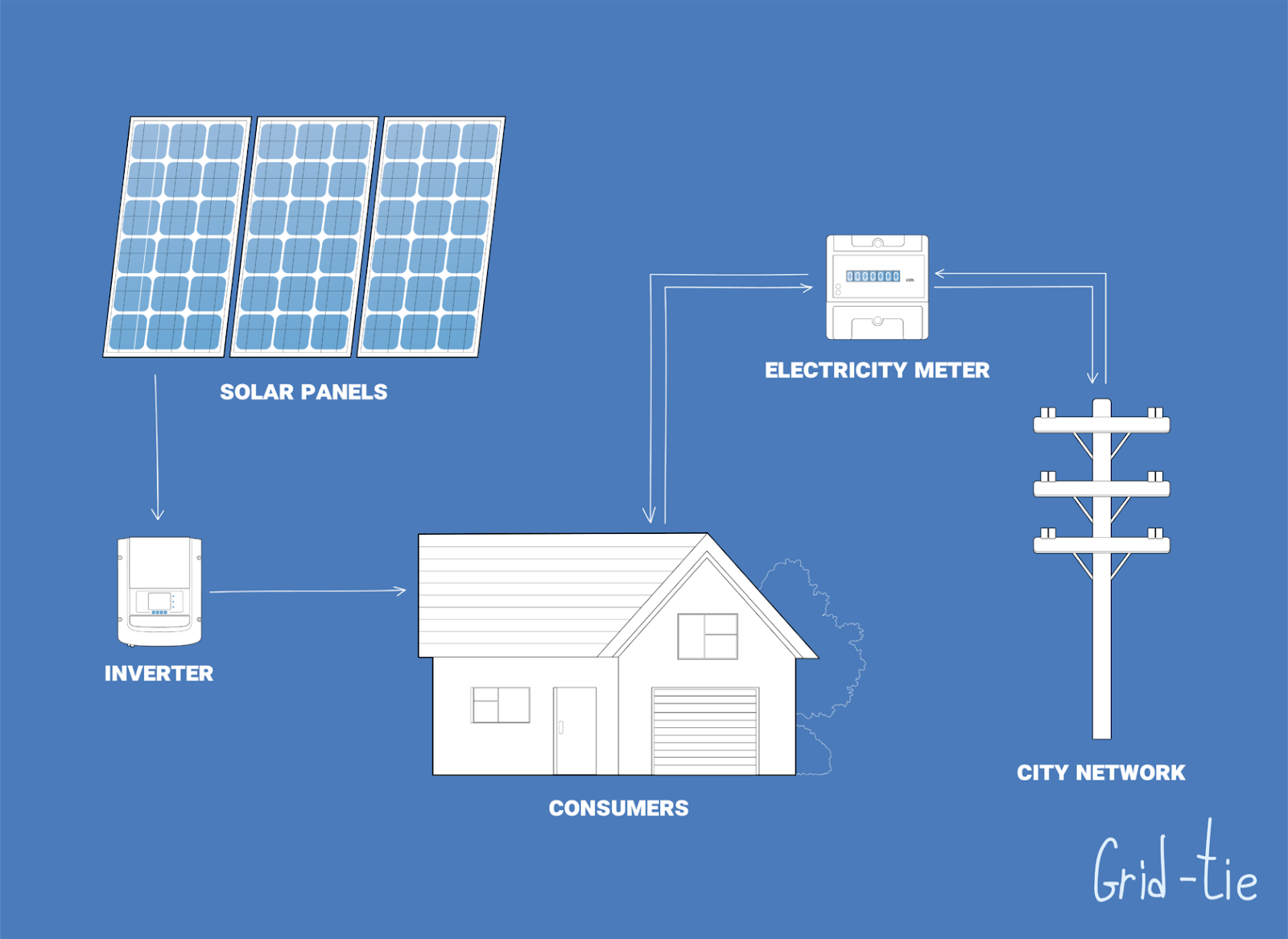
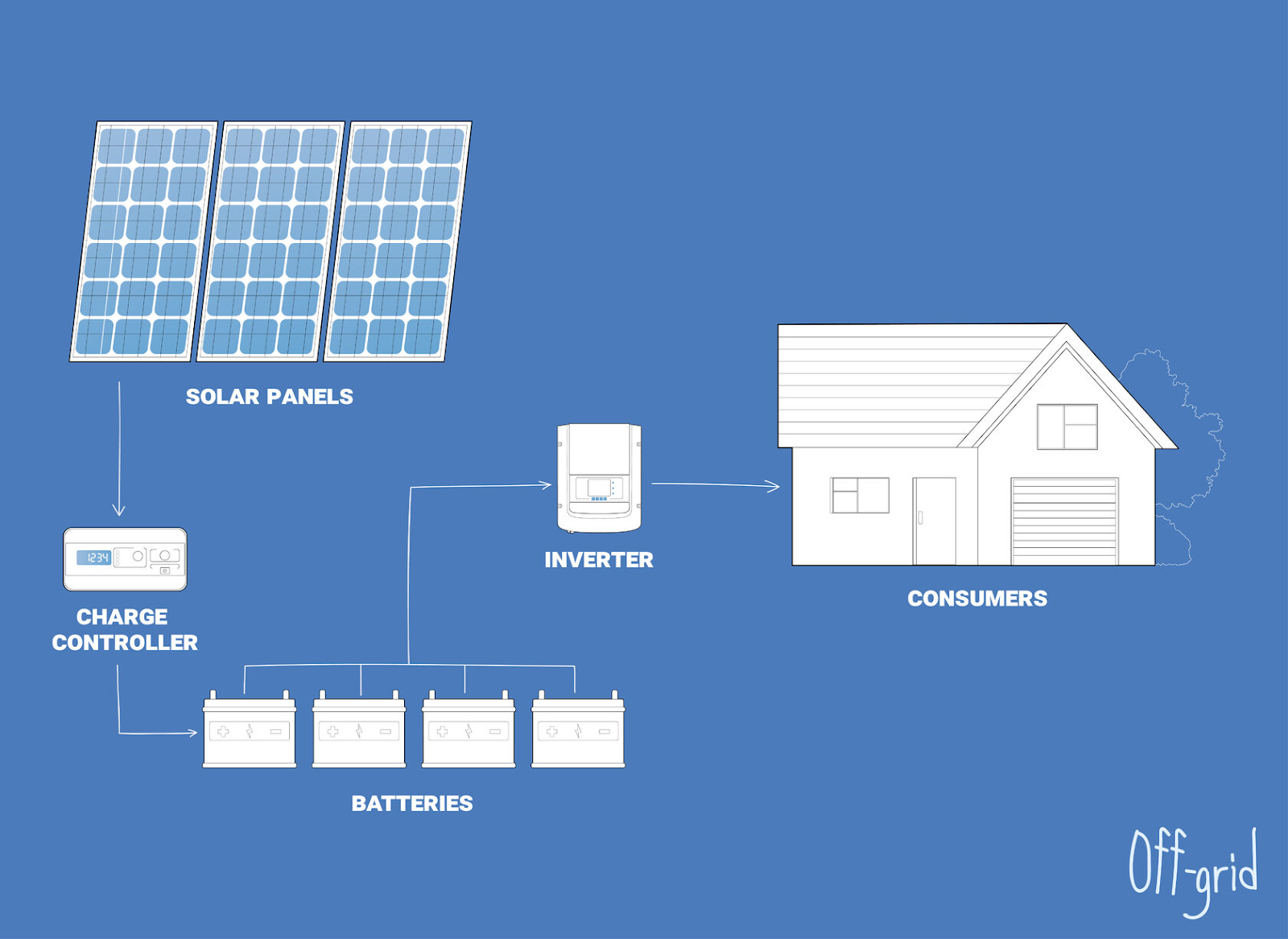
Grid-tie kits connect directly to utility lines, exporting excess power for net metering credits without batteries. Hybrid versions add storage for outage resilience, ideal where blackouts exceed five days yearly. Off-grid systems deliver full independence via oversized batteries, suited for rural homes beyond grid reach.
Roof-top kits leverage existing space, yielding 15-20% higher efficiency on south-facing pitches of 20-40 degrees. Ground-mounted options excel on larger lots, adjustable for 25% more production via seasonal tilts. Microinverters optimize shaded roofs panel-by-panel, outperforming string inverters by 10-15% in trees-heavy areas.
What if space limits you? Ground mounts avoid roof penetrations, cutting leak risks and easing HOA approvals prevalent in 40% of U.S. subdivisions. Both types qualify for federal incentives, stacking with state rebates like California's SGIP.
Average U.S. homes use 10,500 kWh yearly; an 8-12kW kit covers 80-100% in moderate climates like Texas or Florida. Smaller 4-6kW suits condos or northern states with 3.5 sun hours, while 20kW powers pools/EVs. Factor roof size (300 sq ft per 5kW) and orientation for precise sizing.
💡 Deep-Dive Facts:
Complete solar panel kits contain all core components needed to power your property with solar energy. Each package includes high-efficiency solar panels engineered to capture maximum sunlight, string or microinverters that convert DC power to AC for home use, and complete mounting hardware for both roof-top and ground installations. Racking systems come pre-designed with all necessary rails, clamps, and fasteners to secure panels at optimal angles.
⚡ Core Components
🔧 Advanced Features
📋 Documentation
Beyond the basics, kits feature monitoring systems that track real-time production via smartphone apps, ensuring you catch performance dips early. Disconnect switches and junction boxes meet National Electrical Code requirements, while AC/DC combiners streamline wiring for cleaner installations. Pre-engineered systems reduce installation complexity significantly.
🎯 What sets these kits apart? Engineered compatibility eliminates the guesswork in system design. Panels match inverter input ranges within 2%, maximizing MPPT efficiency above 98%. Ground-mount options include adjustable tilt legs for seasonal optimization, while roof kits factor wind/snow loads per local codes. Permitting packages with stamped electrical drawings expedite approvals in 90% of jurisdictions, saving $500-$1,200 in engineering fees.
Check 12 months of utility bills to find your annual kWh usage. Divide by local sun hours (4-6 USA average) and system efficiency (0.75-0.80 for grid-tie), then multiply by 1.25 for buffer. For example: 12,000 kWh ÷ (5 hours × 0.78) × 1.25 = 9.6kW kit. Alternatively, aim for 1kW per 1,000 kWh monthly usage in moderate climates. Most American homes need 8-12kW systems to cover 80-100% of their energy needs.
No. Safety codes require automatic shutdown when grid voltage drops, preventing dangerous backfeed to utility lines. Inverters detect outages in 0.1 seconds and cease output until grid power restores. For backup capability during outages, consider hybrid kits with battery storage and critical load panels. Standard grid-tie systems maximize savings and simplicity but do not provide emergency power during blackouts.
Savings depend on utility rates, net metering policies, system size, and local sunlight. In 1:1 net metering states like California or New Jersey, a 10kW system offsets $2,000-$3,500 annually at current electricity rates of $0.16-$0.28/kWh. Time-of-use plans can boost returns by exporting peak-priced power. Factor 3.5% annual utility rate increases—a $2,400 first-year savings becomes $3,900 by year 10. Most homeowners see payback in 6-9 years and save $34,000-$120,000 over 25 years.
No, batteries are not required for grid-tie systems. Grid-tie kits connect directly to utility lines, using the grid as "virtual storage." Excess daytime production flows to the grid for net metering credits, which offset nighttime consumption. This eliminates battery costs ($8,000-$15,000) while achieving 95% system efficiency versus 80-85% with storage losses. If backup power during outages matters, consider hybrid kits that add batteries without sacrificing grid connectivity.
Best Deep Cycle Battery: How to Choose the Right One for Your Needs
Avoid the Confiscation: The Ultimate Guide to Flying with Lithium Batteries
How Do Solar Loans Work? Understanding Financing for Solar Panels
Best Lithium Batteries for Motorhomes: Which One Is Right for Your RV?
Solar Panel Cell Technology Explained: PERC, TOPCon, HJT and What They Mean for You
Stay tuned
Free and usefull digest on solar energy. No spam
