Share on ChatGPT
 Share on Grok
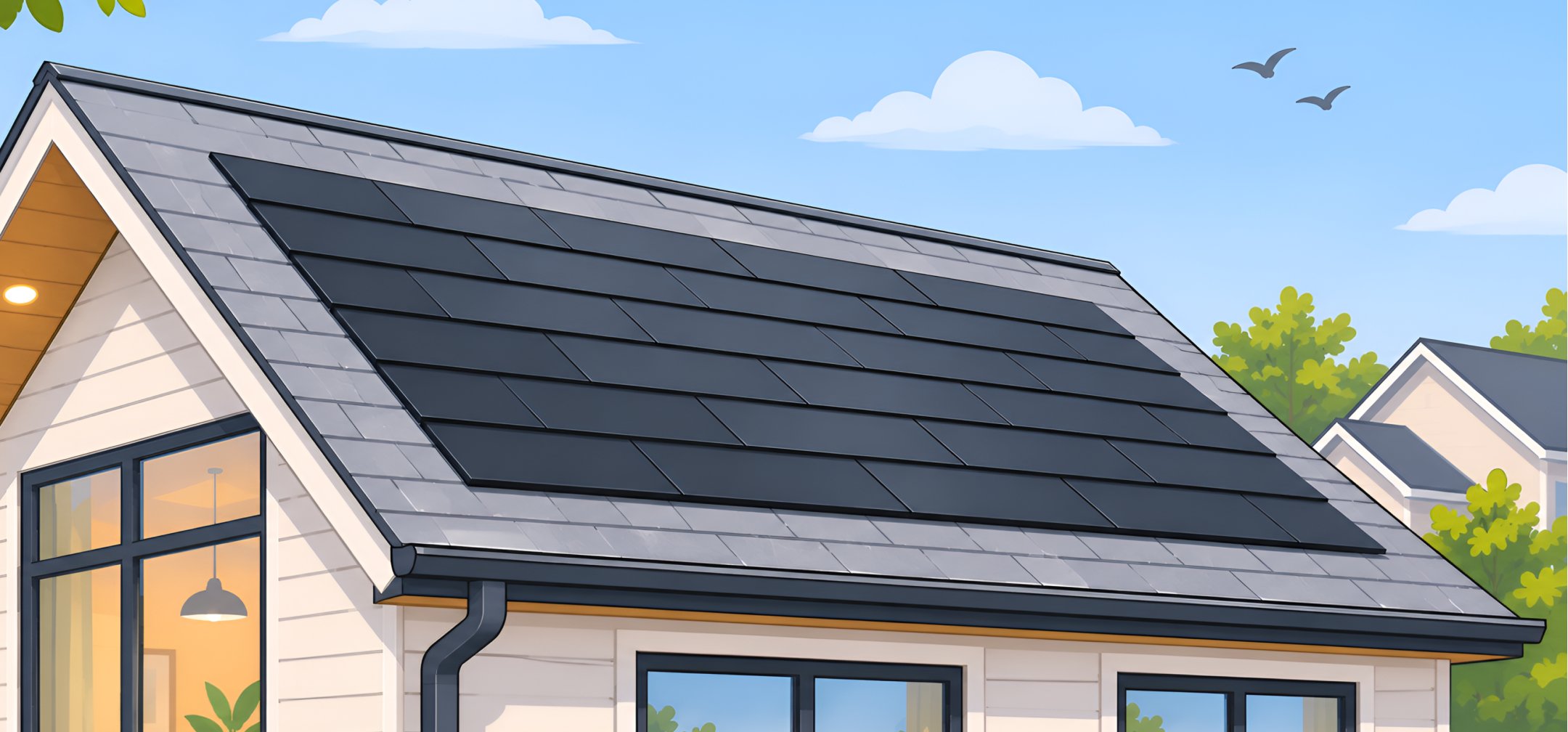
Solar shingles are a roof and a solar array in one product, so you pay for roofing and for electricity in a single price. That bundle costs more per watt than panels on racks, and the market behind it is small and shifting.
Key takeaways
- Solar shingles are roofing with solar cells built in, so they replace the roof layer instead of sitting on top of it.
- Expect roughly $3.50 to $8 per watt installed, against about $2.60 to $3.40 for panels on racks.
- The risk is the market: Tesla reportedly ended Solar Roof in August 2026 and SunTegra is shutting down.
- Shingles fit when you need a new roof anyway and want one integrated look. For maximum output per square foot, panels usually make more sense.
What Solar Shingles Are and How They Work
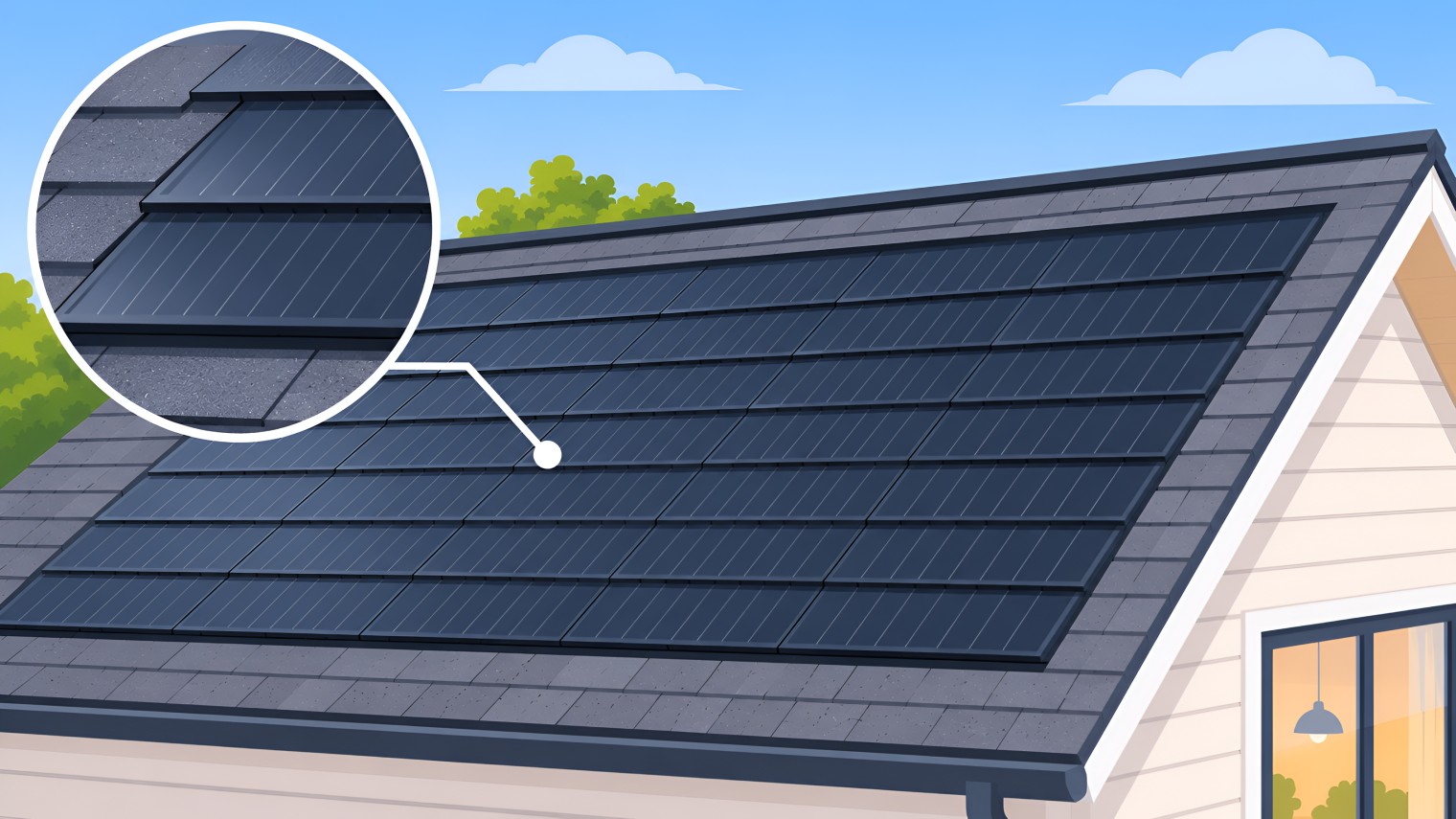
A solar shingle is a roofing product with solar cells built in. The National Renewable Energy Laboratory (NREL) calls the category building-integrated photovoltaics (BIPV): cells or modules that form the outer layer of the building itself.
Vasilii SmirnovSolar Installation Expert"The main difference is that a regular solar panel is installed on top of a finished roof, while a solar shingle becomes part of the roof structure itself. In a conventional system, the roof protects the building from precipitation and the panels produce electricity. With solar shingles, those two functions are combined in one element."

A shingle must also provide a watertight seal, mechanical strength, and resistance to wind, rain, snow and temperature swings. So evaluate the whole roofing system.
CertainTeed's Landmark PWR, for example, packs 24 half-cut monocrystalline cells into a shingle about 48 inches wide. Roofers nail shingles down like ordinary roofing and plug the leads into strings that run to a junction box and an inverter, which converts the direct current (DC) to the alternating current (AC) your house uses.
What Solar Shingles Cost
Solar shingles run roughly $3.50 to $8 per watt installed. Panels on racks cost about $2.60 to $3.40 per watt before incentives. A full shingle roof on a typical home runs about $27,600 to $60,000, while panels alone for a 7 to 8 kW system run about $21,000 to $24,000.
Read also
 How do rooftop solar panels work?
The premium comes from a more complex construction of the roofing elements, special fasteners and connections, electrical integration, higher installation requirements, and lower production volumes. Regular panels are a mass-market product with a well-worked-out installation technology, while shingles are still a specialized solution. But the least obvious part for buyers is the installation and integration into the roof.
Buyers often compare the price per installed watt and forget that shingles need tighter coordination between roofing and electrical work. On a new roof, also count the ordinary roofing the shingles replace. A new asphalt roof costs $3.44 to $12 per square foot.
Labor is about 60% of a shingle bill. Tear-off runs $50 to $150 per roofing square, permits $150 to $500, and deck repair $150 to $1,000.
Cost items, solar shingles vs solar panels on racks
How Much Power a Solar Roof Produces
On the same roof area, panels generally give higher installed capacity and annual output. Solar panel shingles make roughly 14 to 17 watts per square foot, a modern 440W panel about 21. Panels can be set at the best angle, ventilated and chosen for higher efficiency per area, while shingles follow the roof's geometry.
A shingle also lies flat with no air behind it, so its cells run hotter. GAF's datasheet for its earlier Timberline Solar ES lists a power temperature coefficient of −0.39% per °C, and NREL's modeling puts the extra loss from close mounting at 2% to 4.5% of output.
The gap isn't a fixed percentage. It depends on the product, active cell area, orientation, tilt, shading and temperature. Compare two projects by annual output in kWh, using the same location and weather data. A peak sun hour is one hour of full-strength sunlight:
Daily energy = roof area (sq ft) x watts per sq ft x peak sun hours x (1 − system losses)
Example: 300 sq ft in Chicago, 4.47 peak sun hours, 14% losses.
- Shingles at 15.9 W/sq ft: 300 x 15.9 = 4,770 W; 4,770 W x 4.47 psh = 21,322 Wh; x 0.86 = about 18.3 kWh per day.
- Panels at 21.0 W/sq ft: 300 x 21.0 = 6,300 W; 6,300 W x 4.47 psh = 28,161 Wh; x 0.86 = about 24.2 kWh per day.
Is Your Roof a Good Fit?
The most common mistake is choosing the shingles first and then adapting the roof to them. Do it the other way around: assess geometry, orientation, pitch, area, shading and structure first. Then check:
Plan the electrical architecture early.
- A pitch of at least 2:12, the minimum on GAF's datasheet.
- A sound deck, OSB at least 7/16 inch or plywood at least 15/32 inch.
- A simple roof with few joints, dormers and chimneys, since NREL's test installs couldn't put solar on edges, valleys or ridge setbacks.
- Compatibility with drainage and waterproofing.
- A roof due for replacement soon, since asphalt roofs last about 20 years on average.
Don't put solar shingles on a roof with years of life left. You would pay to tear out roofing that still works.
Solar Shingle Brands Available Now
The best solar shingles for you depend on your roof and budget, and the market is small and changing, so a brand makes the list only if it is sold in the US, has installers, and publishes specs and warranties. Tesla solar shingles, sold as Solar Roof, fail the test. Trade press reported in August 2026 that it discontinued Solar Roof, and installers doubt its promise to honor existing warranties will hold for 25 years.
GAF solar shingles are built in Texas, after the company closed its San Jose plant. Landmark PWR was announced for availability on Nov. 1, 2026.
Vasilii SmirnovSolar Installation Expert"The first thing I'd look at isn't the advertised efficiency but the reliability of the whole system and the manufacturer. A roof is installed for decades, so the buyer must understand who will provide technical support and supply components in the future."
Check electrical compatibility (inverters, monitoring, protection, batteries); service and spare parts, meaning whether a damaged element can be replaced in five or ten years; real operating experience, meaning how many installations, in which climates, for how long; separate warranties for power retention, construction, waterproofing and connectors; and certification to the applicable safety standards.
Solar Shingle Pros and Cons
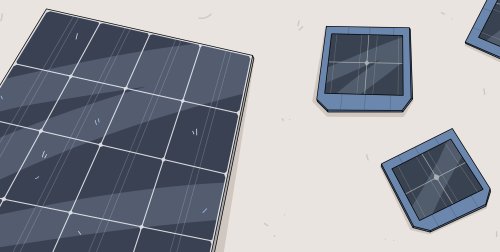 Solar shingles vs. solar panels: Who wins?
Pros:
- The roof and the array are one product, with no visible structures above the roof.
- On a reroof, the true premium is smaller than the sticker price.
- NREL's time study logged 3.5 to 6.4 worker-hours per kW for shingles against 6.9 for conventional panels.
Cons:
- $3.50 to $8 per watt, against about $2.60 to $3.40 for panels.
- Less power per square foot, roughly 14 to 17 watts against about 21.
- Hotter cells, because there is no air gap.
- Few makers and installers: about 10 companies installed residential building-integrated systems in 2020, and two brands have since exited or are exiting.
Warranties, Permits, and Tax Credits
Warranties
A shingle carries separate warranties: the roof, the power output and the wiring. Take CertainTeed solar shingles: the Landmark PWR lists 25 years on power (98% in year one, then no more than 0.55% loss a year), 25 years on workmanship and 10 years on wind at 110 mph. Get each term in writing, including who pays for a roof leak.
Permits, HOA, and insurance
Expect permits and inspections from your local jurisdiction. Solar access laws generally keep HOAs from prohibiting or unreasonably restricting solar installations, but check whether your HOA rules and state law cover roof-integrated products. Tell your insurer before you start, and ask for the product's UL 7103 listing and fire class. GAF lists UL 790 Class A.
The 30% federal residential clean energy credit is not available for property placed in service after Dec. 31, 2025. It covered solar shingles before then, and unused credit carries forward. Source: IRS, updated July 4, 2026.
Who Installs Solar Shingles
You need both a roofer and an electrician, ideally one team on one project. The roofer handles integration, laying, watertightness and drainage. The electrician handles connections, surge protection, the inverter, grounding and monitoring. Most important is real experience with BIPV systems, not only conventional panels.
Ask for:
- Several completed projects.
- Documentation and examples of mounting details.
- Warranty terms on the work.
- An explanation of how the system will be serviced and repaired in a few years.
When Panels on a New Roof Are Simpler
 How long do solar panels last on a roof?
In solar shingles vs solar panels, one question settles it first.
Vasilii SmirnovSolar Installation Expert"What matters more to you: getting the maximum electricity from every square foot of roof, or integrating solar generation into the building's architecture and keeping a single look for the roof?"
It sets the project's priority at once. If the goal is maximum generation, economics and a fast payback, panels are in most cases the better choice. If architecture, aesthetics and no visible structures above the roof matter most, shingles can fit. Compare the total cost of ownership, not just the upfront investment.
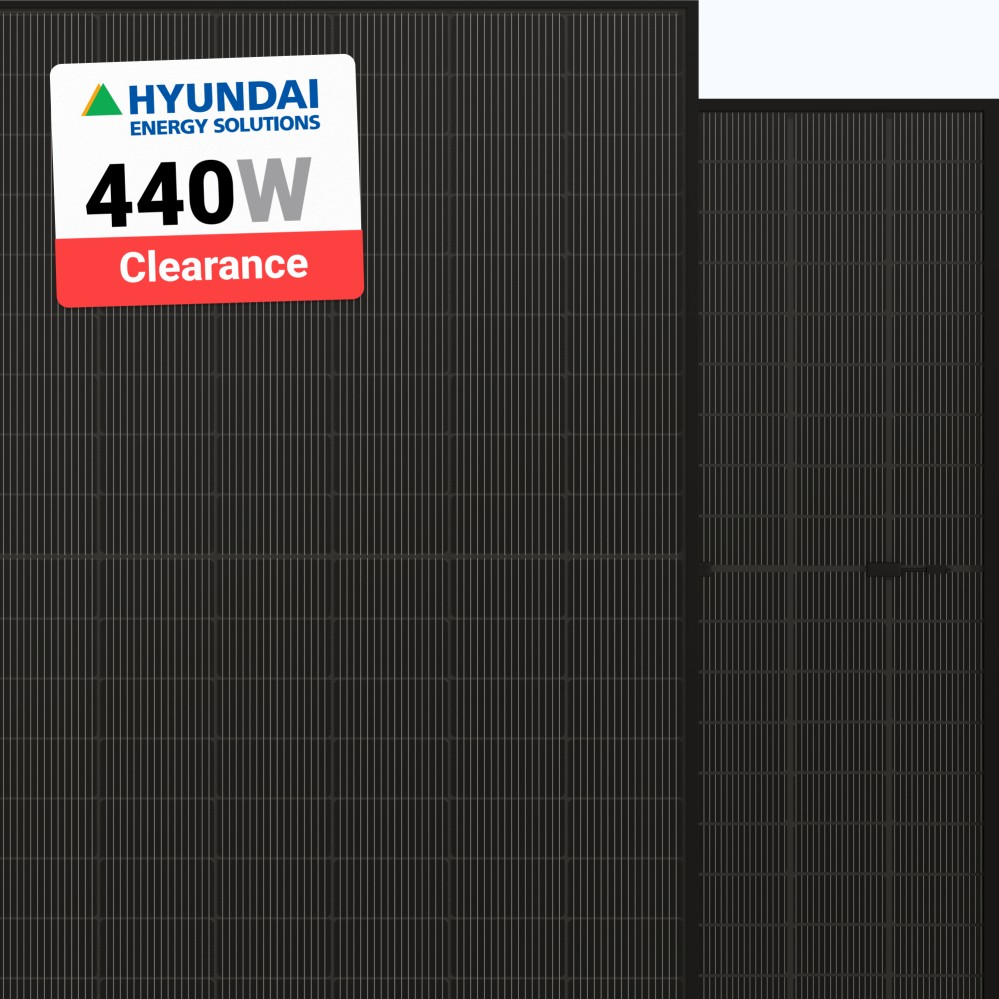
Hyundai 440W Solar Panel 108 Cell N-Type TOPCon Bifacial All-Black HiS-T440NF(BK) Clearance
- Rated Power Output 440 W
- Voltage (VOC)39.9 V
- Number of cells108 Cell
- Cell TypeMonocrystalline
Pickup on Wed, Nov 25 from Orlando, FL
Delivery on Dec 02–07
Bottom Line
Shingles don't replace panels in every project. The question isn't which technology is better overall, but which one fits a particular building, budget and set of goals. And they aren't only a premium aesthetic product: as BIPV technology and production volumes develop, they may become a full part of the building-materials market.
FAQ
Glossary
- BIPV: solar cells built into the building itself, such as the roof.
- Solar cell: the device that turns sunlight into DC electricity.
- Inverter: converts DC from the shingles into AC.
- Temperature coefficient: power lost per degree of heat.
- Peak sun hours: hours of full-strength sunlight in a day.

Alina has always been drawn to the intersection of technology and everyday life. Joining A1 SolarStore as a contributing writer, she brings fresh curiosity and a researcher's eye to the topics of clean energy and sustainability.
More articles from this author